Skip to content

We choose the platform by the task, not from a catalogue

What that choice leads to today

Three shapes, three different answers to the same question. Each can do something the others cannot, and each has something that rules it out of some operations.

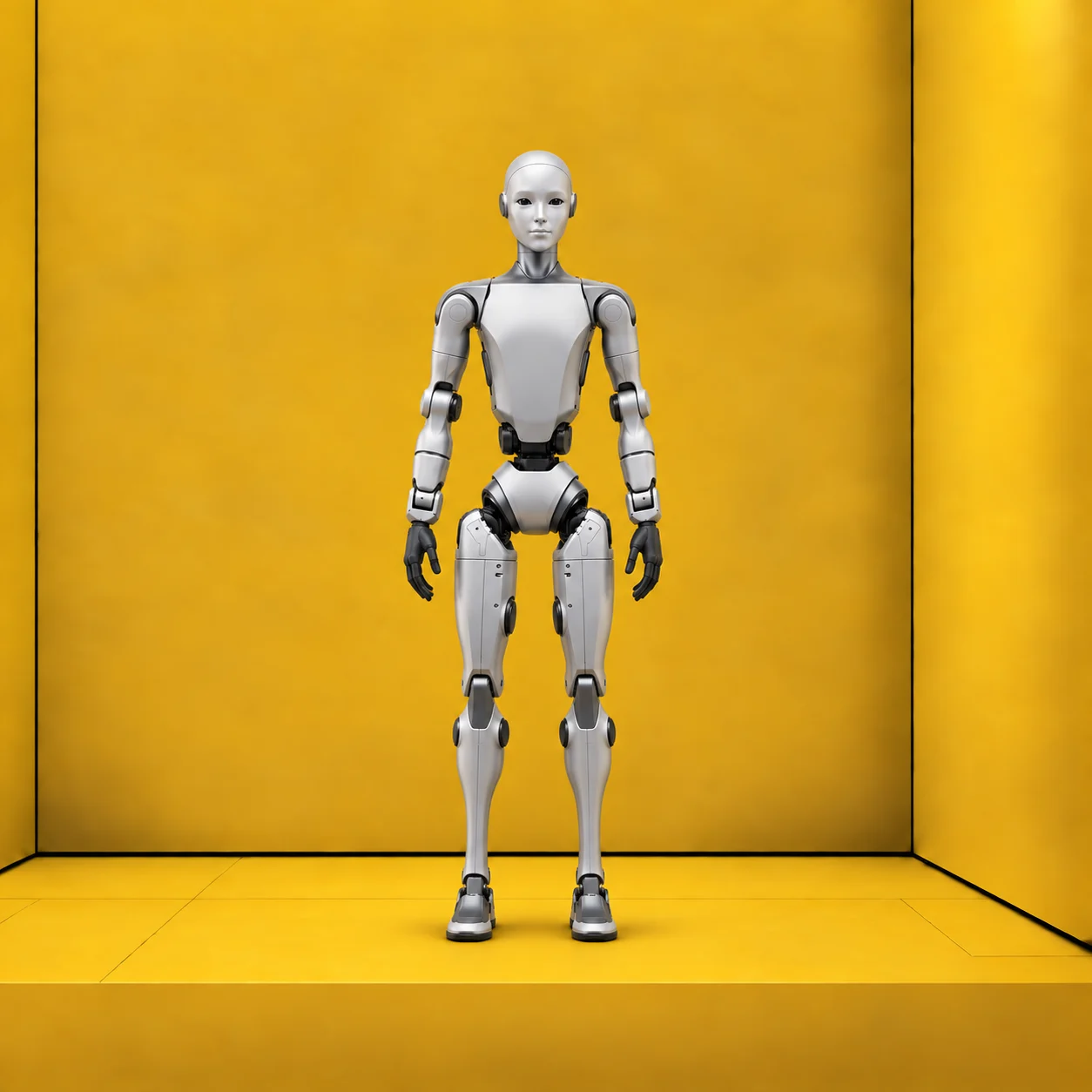
Humanoid on two legs

Humanoid on two legs

A torso, two arms, walking. A shape that moves along the same route as a person.

Advantages

  • It gets through where there is a step or a threshold. It does not need a step-free route between stations.
  • Compact. It fits at an existing station without rebuilding the surroundings.

Disadvantages

  • Risk of falling: the main obstacle to safety certification for two-legged platforms.
  • Higher energy consumption and lower reliability than a wheeled base.
Humanoid on a wheeled base

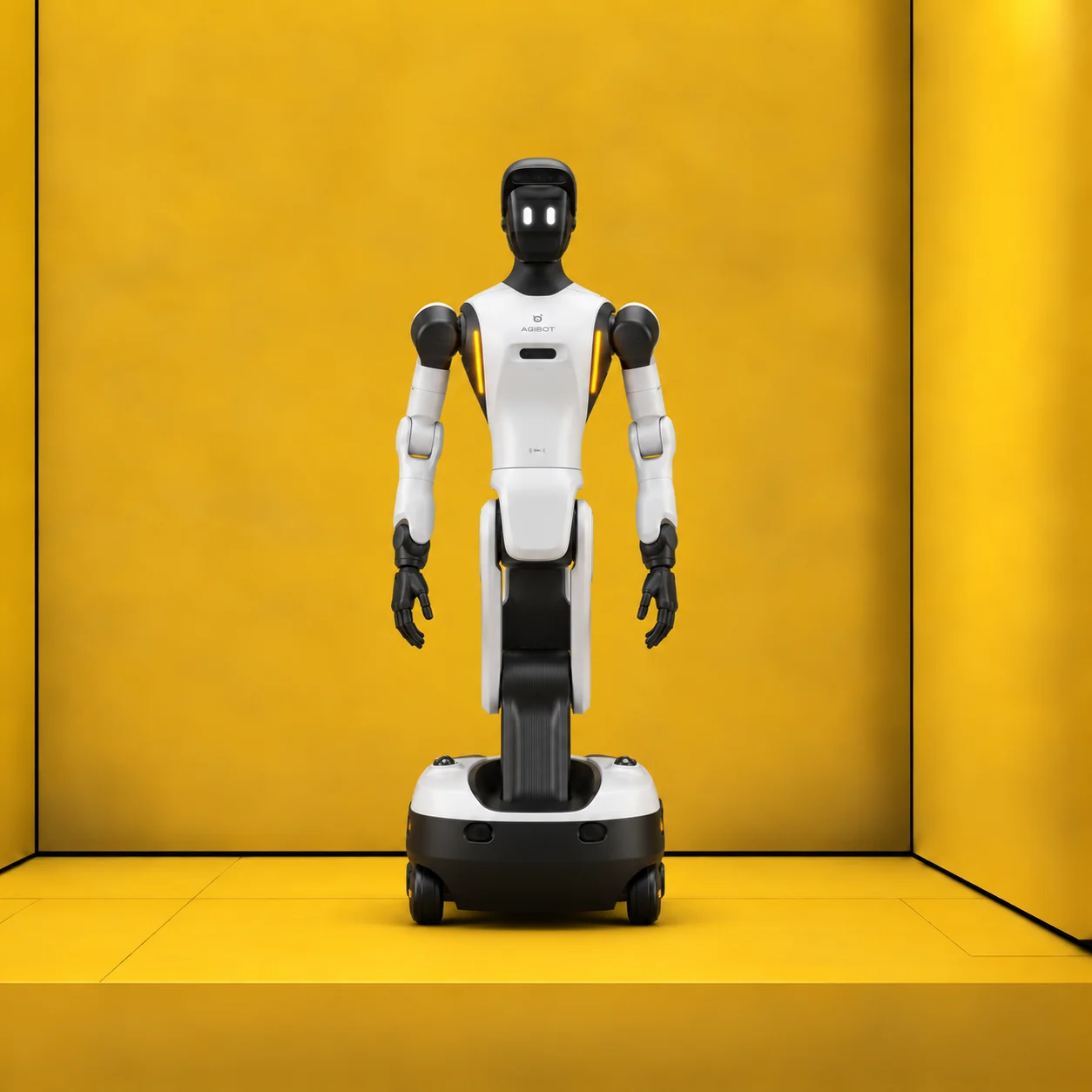
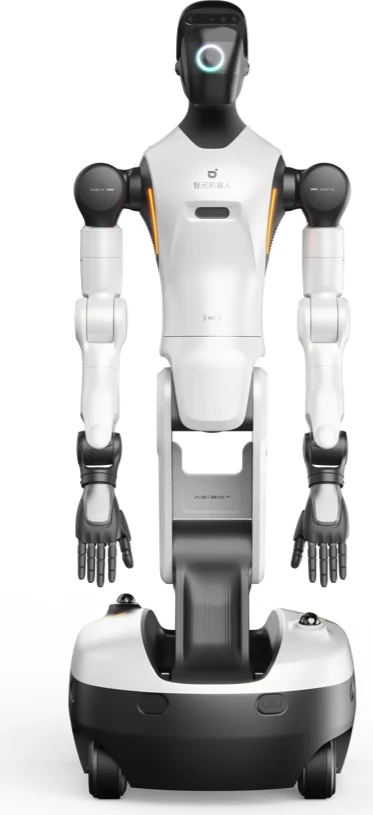
Humanoid on a wheeled base

The same torso with arms, but instead of legs a telescopic column on a chassis. Our default choice. We explain why further down the page.

Advantages

  • The risk of falling is removed, which simplifies the conformity assessment of the whole station.
  • Higher reliability and lower energy consumption than walking.
  • A telescopic column, so it serves stations from the floor up to overhead shelves.

Disadvantages

  • It needs a step-free route between stations.
  • It cannot get over a step, or a ramp beyond the limit of the chassis.
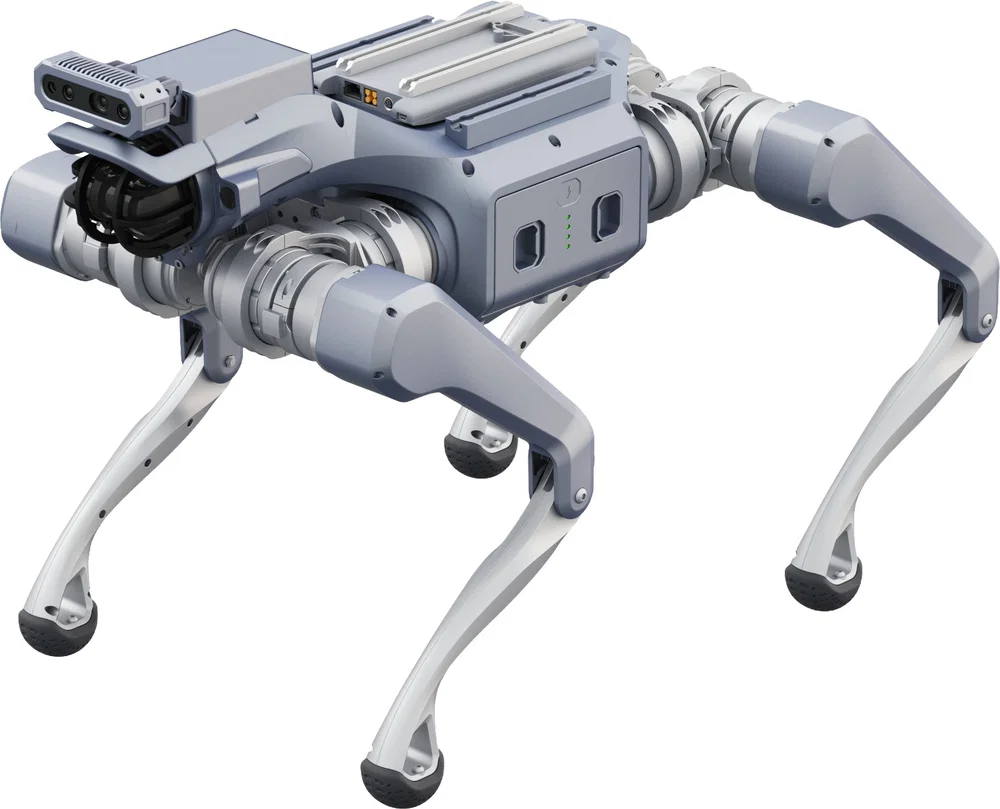
Four-legged platform

Four-legged platform

It is not a humanoid; it is on the list because in some tasks the shape matters, not the hands.

Advantages

  • Stable on uneven surfaces and in terrain a wheeled chassis cannot cross.
  • A sensor head that suits patrols and inspection of the operation.

Disadvantages

  • It has no arms. It cannot serve a station where something is handled.

How we choose

  • Taskreach, payload, dexterity and whether the work can be done with one hand or needs two-handed handling.
  • Environmentdust, humidity, temperature, noise and whether the route between stations is step-free.
  • Cycle time and reliabilityhow many pieces per shift and what happens when the robot drops out for a while.
  • Safetywhat the specific platform does to the conformity assessment of the whole station.
  • Serviceabilityavailability of parts and whether we can repair the robot ourselves. The robot remains ours, so this point is one we settle with ourselves.

Why the robot drives instead of walking

Our default choice is a humanoid torso on a mobile base. It removes the risk of falling, which is the main obstacle to safety certification for two-legged platforms, reliability goes up and energy consumption goes down.

It has a specific cost and we do not hide it: the robot needs a step-free route.

It cannot climb stairs and it cannot get across uneven terrain.

But it is a default choice, not a dogma. When the task requires legs, we will discuss a two-legged platform, including what that does to the certification of the station. That decision belongs to the task, not to company philosophy.

What we build ourselves and what we buy

We are an integrator, not a robot manufacturer. The brand of the machine does not matter to us; we choose it by the task. Our work is everything that turns it into a filled position.

We build ourselves

The layers that decide whether the robot really does the job. They are the same whoever made the machine.

  • Choice of platformby the task and the environment, not by brand or by what is in stock.
  • Softwarethe layer that decides what the robot does.
  • End effectorwe design it for the specific task.
  • Station safetythe safety layer and the technical documentation.
  • Control and datacontrol runs locally on your premises, not in the manufacturer's cloud. What leaves the site we go through with your IT and write into the contract.
  • Servicethe robot remains ours and service is part of the monthly fee.

We buy

The machine, from the manufacturer that suits the task best. Today most often from China, where the vast majority of platforms are made.

  • Platformtorso, arms, drives, chassis.
  • Firmware and the robot's CEthe basic firmware and the CE of the machine itself are its manufacturer's business.
  • Spare partswe buy them and keep them in our own stock.

Not sure whether a platform exists for your position?

That question can be answered in one site visit. The platform is only half of the answer, though; the other half is what the robot has at the end of its arm.