How we build a robotic station
Task and station
What is done at the station, how often, in what environment and what is next to it. That determines the platform, the end effector and the way the station is safeguarded.
First the task, then the tool, and only then the robot. The opposite order, buying a robot and looking for work for it, is the most common reason an automation project ends at the pilot stage.
ToolPeripherals
Grippers, vision and sensors. We design the end effector to fit the task. It is the component that decides whether the robot can do the job.
RobotPlatforms
How we choose a robot, why it drives instead of walking, and which part of it we build ourselves and which we buy.
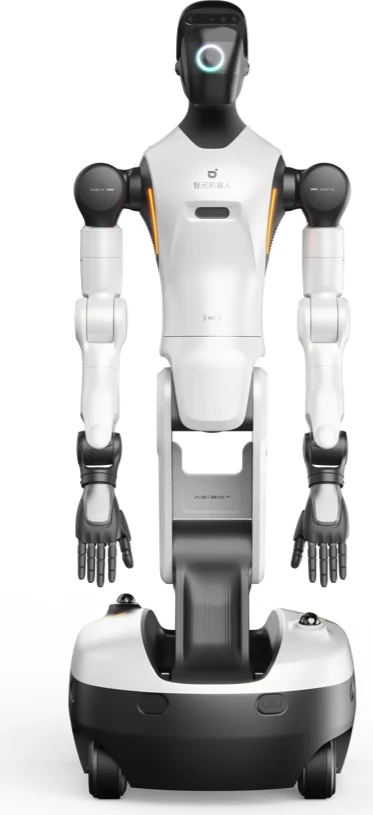
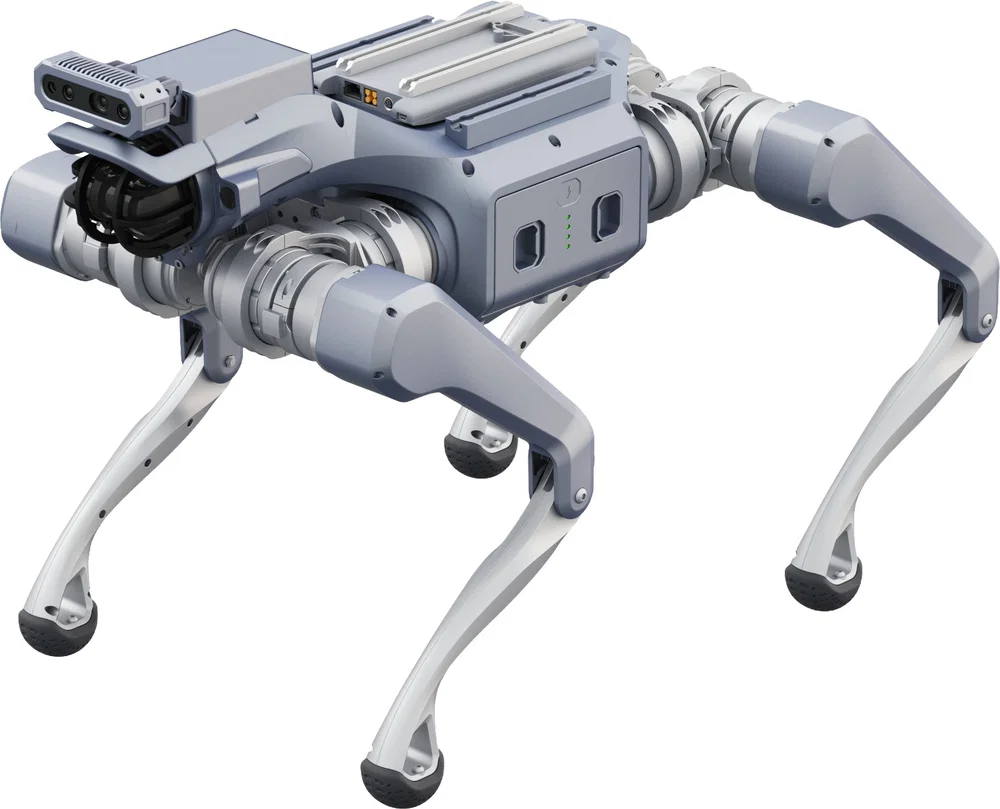
We are an integrator, not a manufacturer. We buy hardware on the market and choose it according to the task. The layer that decides what the robot does, and the layer that looks after the safety of the station, we build ourselves.
- Humanoid on two legs

- Humanoid on a wheeled base
- Four-legged platform
Line and assessmentSafety
CE, the Machinery Regulation, integration into the line's safety circuit and data handling. A page written for your engineer.
A humanoid does not work next to the line, it works in it. It reads the state of neighbouring machines and adapts its tasks to them, responds to signals from safeguarding devices, and when it stops, that is passed back to the line control.
We prepare the technical documentation for the conformity assessment of the station. What that means for CE and for the Machinery Regulation is covered on the Safety page, which is written to save your engineer a meeting.
What cannot be doneLimits
What humanoids cannot do today. We write it down because finding out the limits only after signing is worse for both sides.
Would you like to discuss it for a specific station?
The quickest way is a site visit. We will leave knowing whether it can be done or not.